Shopping Cart
Your shopping cart is empty!

You save £0.75
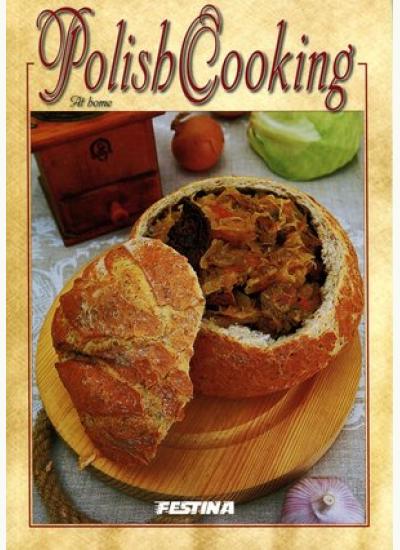
Contemporary Polish cuisine derives from centuries of culinary tradition, influenced by many factors. One of these was location and resulting from this the rangę of resources available at this latitude. Since time imme-morial large forests have provided Poles with mushrooms, berries, raspberries and honey, and fertile agricultural lands crops, such as corn, peas, grits, meat and milk. These and other available resources were processed in the kit-chen in various ways, and the old Poles' palate was decisi-ve for the choice of available rangę of favourite dishes. Therefore. medieval cuisine was fuli of meat, fish and grits. which were then added to almost every dish. Soups, called 'polewki' (pottages), were not disliked. The most popular of them were 'barszcz' (beetroot soup), 'żur' (sour soup), 'czernina' (duck blood soup) and 'flaki' (tripe). No hunt could have been made without 'bigos' (sauerkraut stew), with freąuently added meat from the hunters' prey. Meals at noble manors consisted of the so-called Pren-dium, or early lunch, and Coena - early dinner. The second factor was religion, which already in pagan times gave dishes ritual meaning. 'Pierogi' (dumplings), resembling the sun with its rays, are associated with a so-lar cult that was practiced in the areas of today's Poland. for example at Ślęża Mountain.
Stron: 128, Format: 17x24,5 cm|
ISBN: 978-83-61511-17-5
EAN: 9788361511175
Rok wydania: 2012
Wydawnictwo: Festina
Oprawa miękka (paperback)
FREE SHIPPING FOR ORDERS OVER £45.00